
I’ve always found that the most interesting design publications do more than showcase beautiful rooms. They help readers understand the creativity, decisions, and personal stories behind the spaces.
That’s what makes Architectural Digest particularly interesting to explore in 2026.
Known for its coverage of architecture, interior design, celebrity homes, and distinctive living spaces, Architectural Digest has developed into a recognizable name in the design and lifestyle publishing world.
But its appeal extends beyond photographs of luxurious properties.
The publication also explores decorating ideas, renovation projects, furniture, emerging trends, and the designers responsible for creating memorable interiors.
What stands out to me is the combination of inspiration and practical information.
Whether someone is planning a major renovation, refreshing a living room, or simply interested in how exceptional homes come together, Architectural Digest offers different ways to explore the world of design.
The Story Behind an Iconic Design Publication

Architectural Digest has been part of the design publishing landscape for more than a century.
Founded in 1920, the magazine developed from a publication focused on architecture into an internationally recognized source of interior design, architecture, and lifestyle coverage.
Today, its editorial content reaches readers through its magazine, website, video programming, and digital platforms.
I think this evolution is an important part of the brand’s identity.
While Architectural Digest maintains its connection to established architects and interior designers, it also covers contemporary trends, emerging creative talent, and the changing ways people approach their homes.
Its articles explore everything from historic properties and modern residences to architectural landmarks, decorative arts, and innovative building projects.
For readers, that creates a broader experience than simply browsing a traditional interiors magazine.
Step Inside: The Homes That Tell Extraordinary Stories
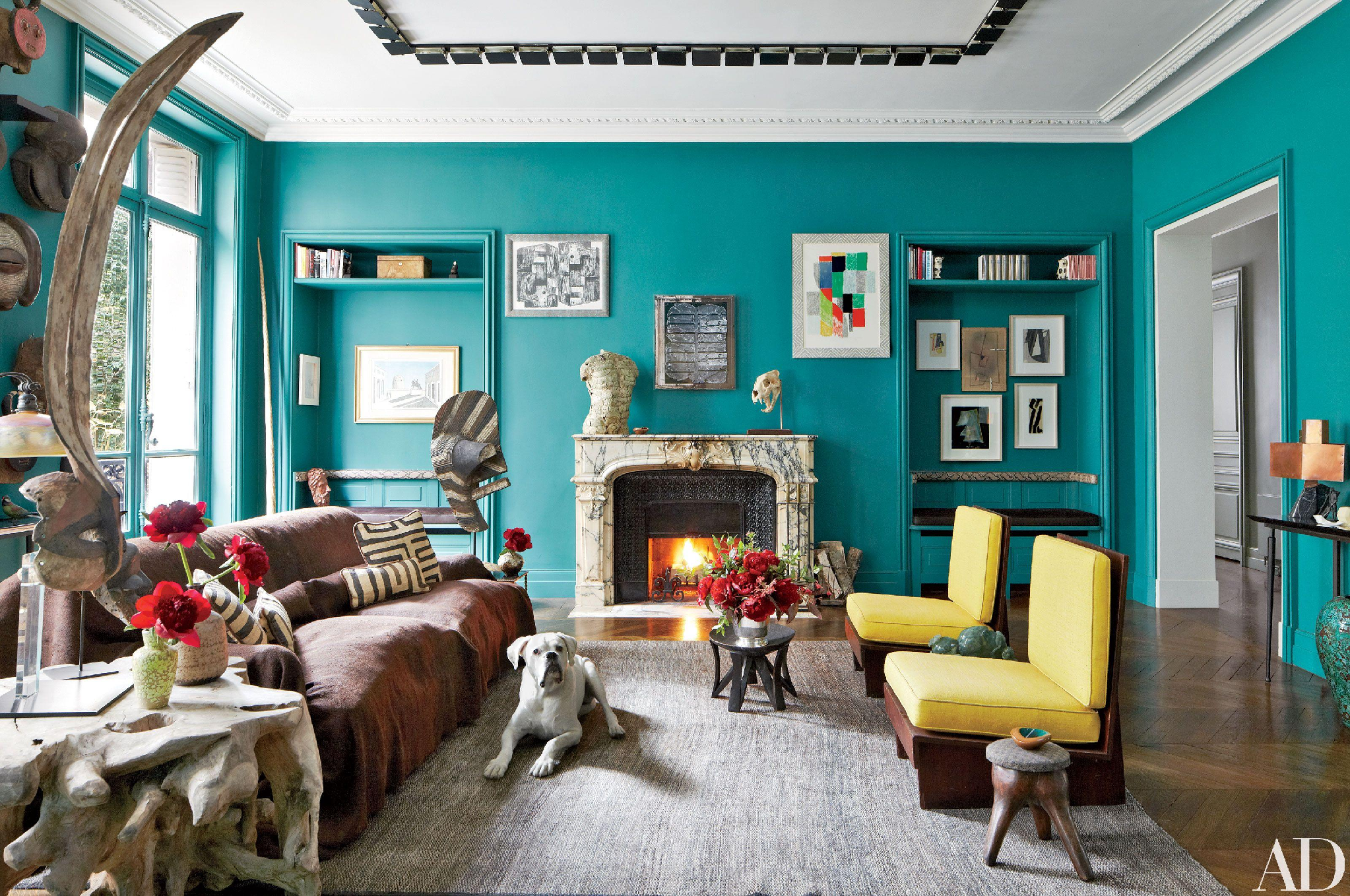
One of the biggest attractions of Architectural Digest is its coverage of remarkable homes.
The publication regularly features residences designed by leading architects and interior designers, alongside properties belonging to well-known figures in entertainment, fashion, and other creative industries.
What I find particularly engaging is how these features reveal the personality behind each space.
A home might combine antique furniture with contemporary artwork, incorporate architectural details from a different era, or use unexpected colors and materials to create something distinctive.
Architectural Digest also explores how homeowners and designers balance aesthetics with everyday functionality.
Not every featured property is intended to provide a directly achievable decorating blueprint.
However, I think these homes can still offer valuable inspiration through individual details, whether that’s an interesting lighting arrangement, a thoughtful furniture layout, or a creative approach to color.
Beyond the Front Door: Celebrity Homes and Open Door

Architectural Digest’s celebrity home coverage has become one of its most recognizable editorial features.
Its popular Open Door video series takes viewers inside the homes of entertainers, designers, and other public figures.
Rather than relying entirely on photographs, these tours allow viewers to explore rooms, hear stories about particular objects, and understand the personal choices behind a home’s design.
For me, that makes the experience especially engaging.
A room can look impressive in a photograph, but hearing someone explain why they chose a particular piece of furniture or preserved an architectural feature adds another layer of interest.
The videos also demonstrate how personal style can shape a home.
Some spaces emphasize minimalism and carefully selected materials, while others celebrate bold colors, collections, vintage furniture, and unconventional design choices.
It’s this variety that keeps the series interesting.
The Design Details Worth Paying Attention To
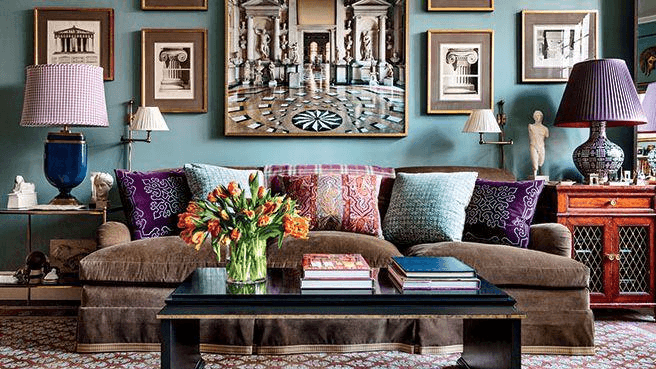
Although Architectural Digest is often associated with exceptional properties, its decorating coverage also provides ideas that can be adapted to more ordinary living spaces.
The publication explores furniture, lighting, paint colors, textiles, room layouts, and the smaller decorative decisions that influence how a home feels.
I particularly appreciate content that explains why certain design choices work.
For example, changing a room’s lighting can influence its atmosphere, while introducing contrasting textures can add depth without requiring a complete redesign.
Architectural Digest also covers kitchens, bathrooms, bedrooms, outdoor spaces, and other areas where functionality matters just as much as appearance.
Its renovation content adds another practical dimension, exploring how homeowners and professionals approach updates to existing properties.
For readers who enjoy interiors but aren’t necessarily planning a large renovation, these smaller ideas can be among the most useful parts of the publication.
Meet the Creative Minds Behind the Spaces

Another aspect of Architectural Digest that deserves attention is its coverage of the professionals shaping architecture and interior design.
One of its best-known editorial initiatives is AD100, an annual selection recognizing leading talents across architecture, interior design, and landscape design.
The 2026 AD100 features established names alongside newer creative voices, offering readers a look at the professionals influencing contemporary design.
I find this particularly valuable because beautiful spaces rarely happen by accident.
Behind an impressive residence are decisions involving architecture, proportions, materials, furniture, craftsmanship, and the relationship between different rooms.
By introducing the designers responsible for these projects, Architectural Digest helps readers understand more about the creative process.
The publication also explores the work of craftspeople, artists, and specialists whose contributions are essential to distinctive interiors.
For anyone interested in design as a profession, this coverage adds considerable depth.
What 2026 Is Bringing to the Design Conversation
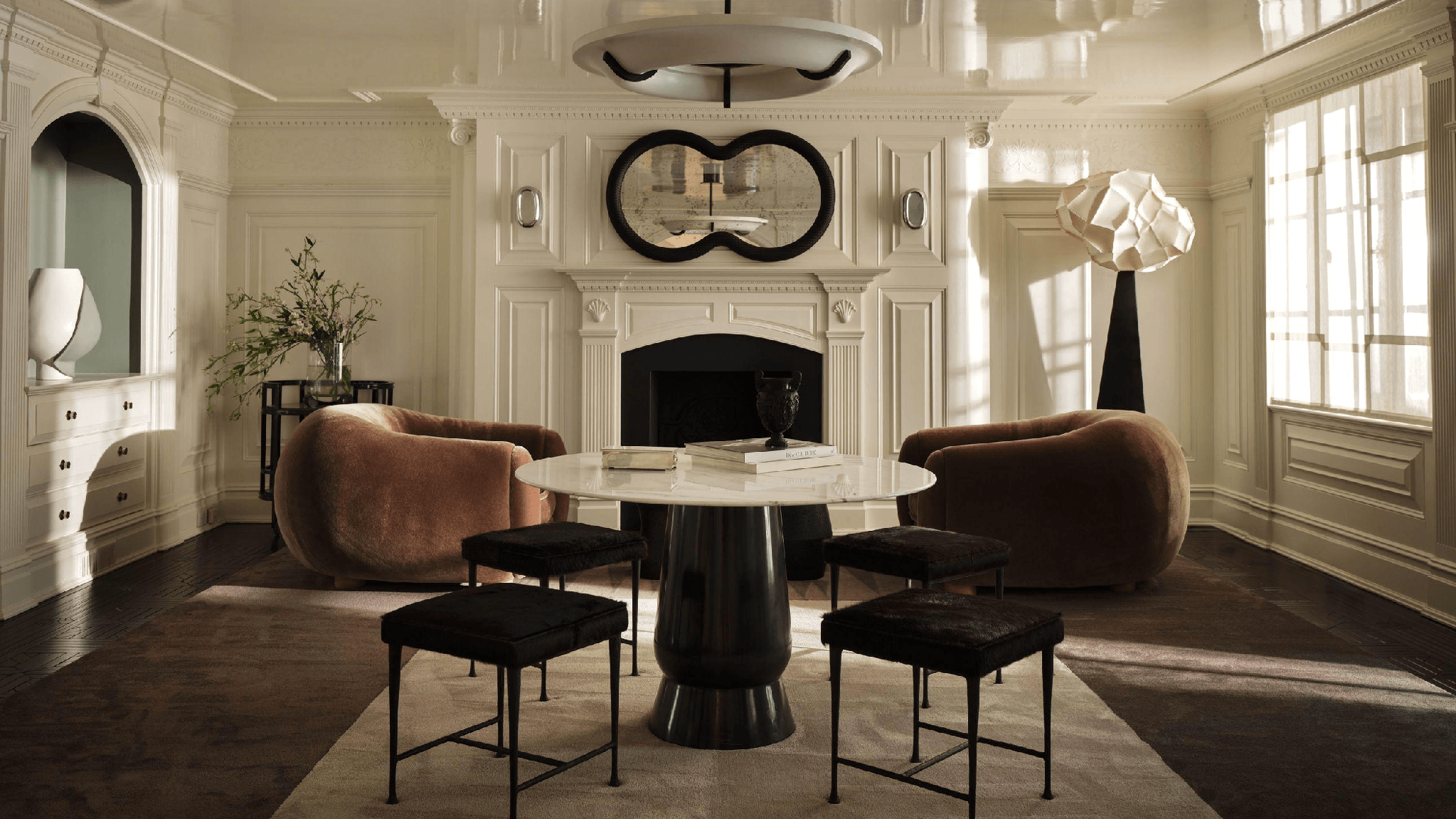
One of the reasons I think Architectural Digest remains relevant is its ability to connect established design principles with current ideas.
Throughout 2026, the publication has continued exploring changing approaches to interiors, renovation, architecture, and personal style.
Its coverage includes discussions of craftsmanship, historic preservation, expressive decorating, and the ways homes can adapt to changing needs.
The AD PRO Home Renovation Report 2026, for example, explores renovation priorities such as longevity, adaptability, and designing spaces that remain useful over time.
These subjects reflect a broader conversation about what makes a home successful.
For me, good design isn’t only about choosing attractive furniture or following a particular trend.
It’s also about creating spaces that work for the people using them.
Architectural Digest’s combination of visually inspiring features and more detailed design reporting makes it a useful place to explore both sides of that conversation.
Design Inspiration for the Seasons Ahead
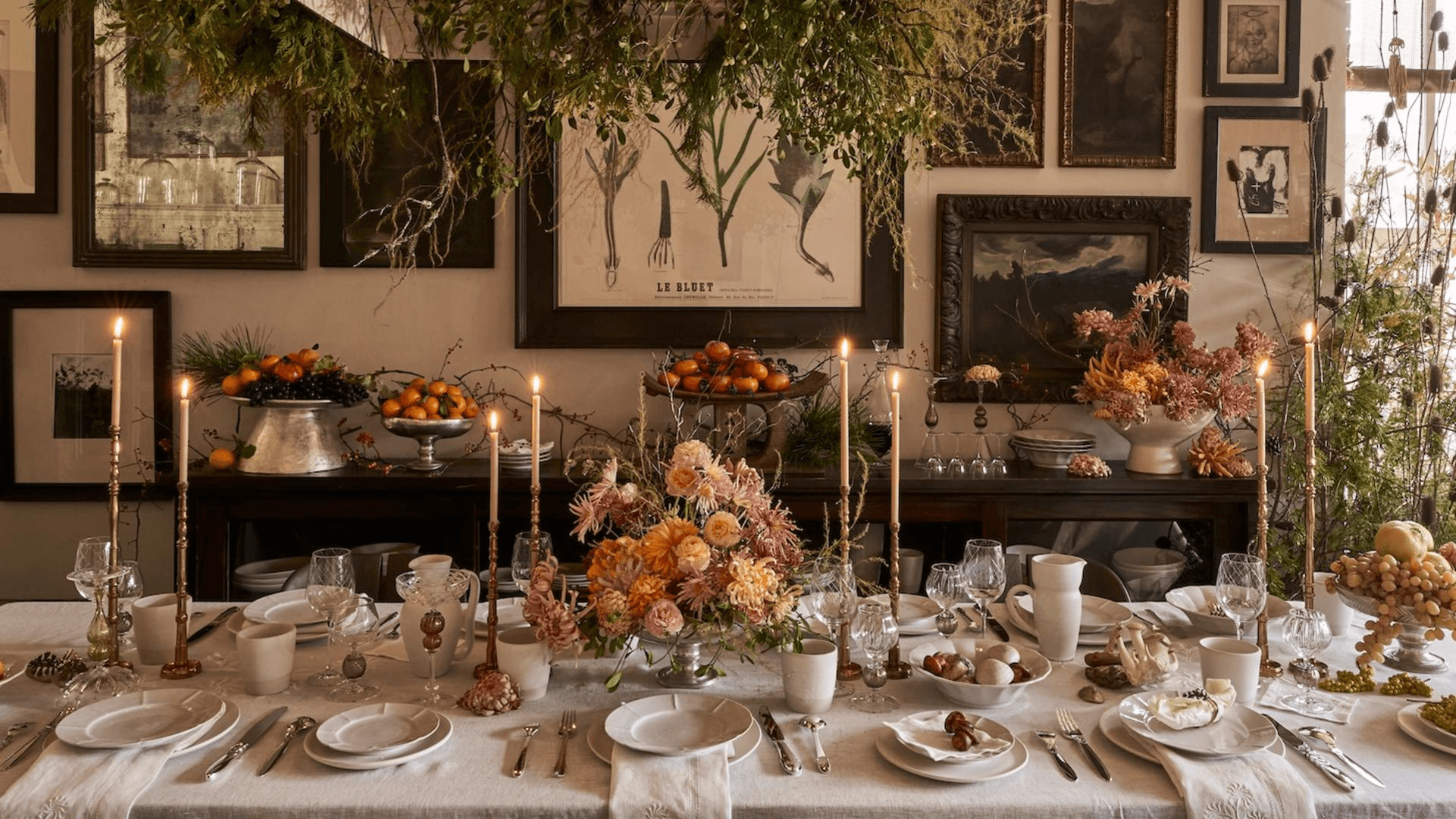
As October moves toward November and December, there are additional reasons to explore Architectural Digest’s home and lifestyle coverage.
The transition into cooler weather often brings renewed interest in comfortable interiors, layered textures, warm lighting, and spaces designed for gathering.
With Thanksgiving on November 26, 2026, readers may also be looking for dining room inspiration, entertaining ideas, and ways to make their homes more welcoming.
The approaching holiday season creates opportunities to explore festive decorating, table settings, seasonal accessories, and thoughtful home-related gifts.
I also think Black Friday on November 27 and Cyber Monday on November 30 are useful reminders to compare furniture, lighting, and home accessory prices before making purchases.
Architectural Digest’s shopping guides and product recommendations can provide a starting point for discovering different styles and brands.
However, I would always compare product specifications, measurements, prices, and retailer policies before buying.
What appeals to me most is that the publication’s design inspiration remains useful beyond any particular season.
A well-designed room or thoughtful decorating idea can remain relevant long after the holidays have passed.
From Editorial Inspiration to Shopping Ideas
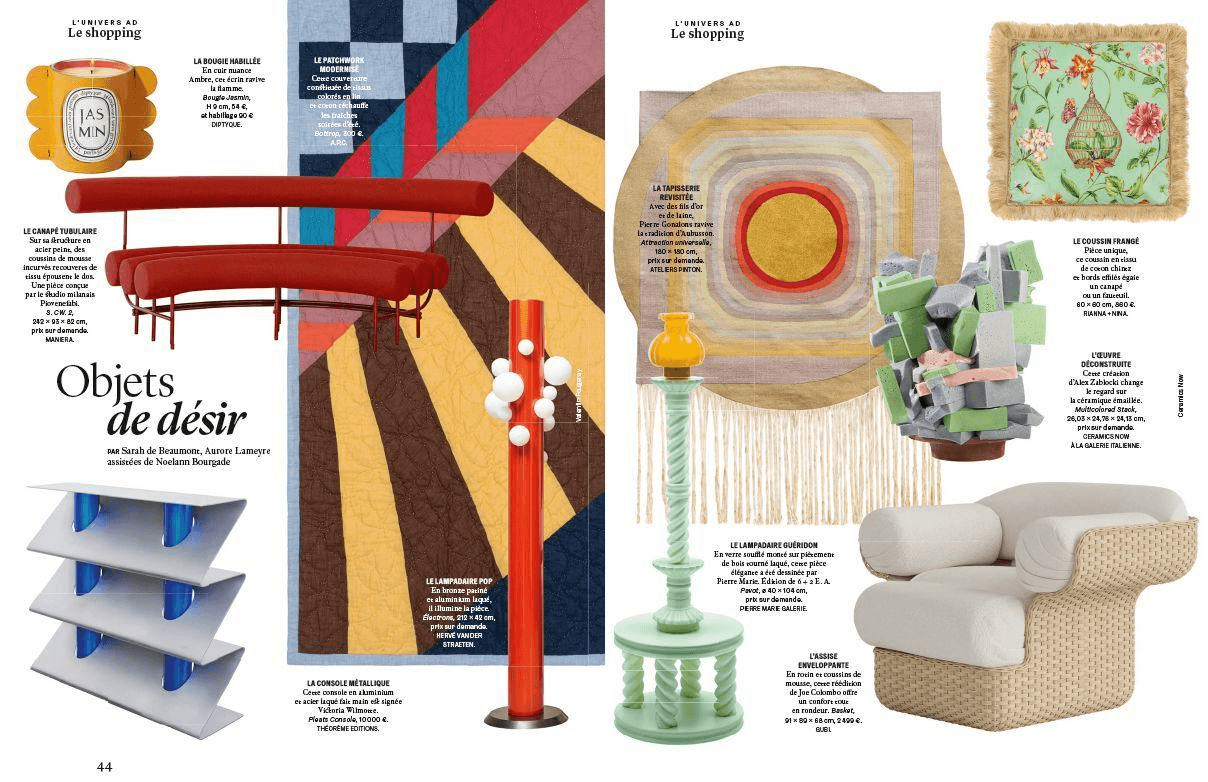
Architectural Digest isn’t exclusively about admiring finished interiors.
The publication also covers furniture, home accessories, lighting, appliances, and other products that readers may want to consider for their own spaces.
Its shopping and product-focused articles can help connect larger design ideas with specific categories of home furnishings.
I think this is an important distinction.
A beautifully photographed living room might provide inspiration, but readers often want to know how to approach a similar atmosphere in their own homes.
Shopping guides can introduce different furniture styles, decorative accessories, and practical home products.
Of course, I would distinguish between editorial inspiration and a personal purchasing recommendation.
A product that looks impressive in one setting won’t necessarily be appropriate for every room, budget, or household.
For me, the most useful approach is to take inspiration from the overall design and then make decisions based on individual needs.
What I’d Consider Before Subscribing
Architectural Digest offers both freely accessible editorial material and subscription-based content, making it worth understanding the different ways readers can engage with the publication.
Its website provides access to a wide selection of design stories, while certain articles and features may require a subscription.
The brand also offers magazine subscriptions and digital access options, with pricing and promotional terms depending on the available offer.
I would recommend reviewing the current subscription details before signing up, including introductory pricing, renewal terms, and the type of access included.
For someone who regularly follows architecture, interior design, and home inspiration, a subscription may provide additional value.
However, occasional readers may find that the freely available articles and videos already provide plenty to explore.
The best choice depends on how frequently someone engages with the publication and which features interest them most.
A Few Things Readers May Be Wondering
Is Architectural Digest only about luxury homes?
No. Although the publication is known for exceptional residences and high-end design, it also covers decorating ideas, renovations, architecture, shopping guides, and practical home inspiration.
Does Architectural Digest feature celebrity homes?
Yes. Celebrity homes are a major part of its editorial coverage, including its popular Open Door video series.
What is the Architectural Digest AD100?
AD100 is an annual selection recognizing influential professionals in architecture, interior design, and landscape design.
Can I read Architectural Digest online?
Yes. Architectural Digest publishes articles and videos online, although some content may require a subscription.
Does Architectural Digest offer home decorating advice?
Yes. Its coverage includes decorating inspiration, renovation ideas, furniture, lighting, colors, and other aspects of residential design.
Final Thoughts: Great Design Is About More Than Appearances

After exploring Architectural Digest’s editorial world, I think its greatest strength is how it brings together visual inspiration, creative expertise, and the stories behind remarkable spaces.
It’s easy to admire an impressive home.
What makes the publication more interesting is the opportunity to understand the design decisions, personalities, and craftsmanship that contribute to its character.
I particularly appreciate the balance between extraordinary residences, accessible decorating ideas, architectural reporting, and coverage of influential designers.
The publication also provides different ways to engage with design, whether through detailed articles, photography, shopping guides, or video tours.
And while the final months of 2026 offer additional opportunities to explore seasonal decorating and home inspiration, Architectural Digest’s value extends well beyond any particular trend or occasion.
For readers interested in architecture, interior design, memorable homes, and the creative ideas shaping how people live, Architectural Digest remains a publication worth exploring in 2026 and beyond.
Discover more design inspiration, home tours, and architecture stories at Architectural Digest.